God forms Adam from the dust of the ground and breathes life into him, placing him in the Garden of Eden to tend and keep it. Seeing that Adam is alone, God creates Eve from Adam’s side, establishing companionship and the first human relationship. Together, Adam and Eve live in harmony with God and creation, reflecting innocence, purpose, and unity.
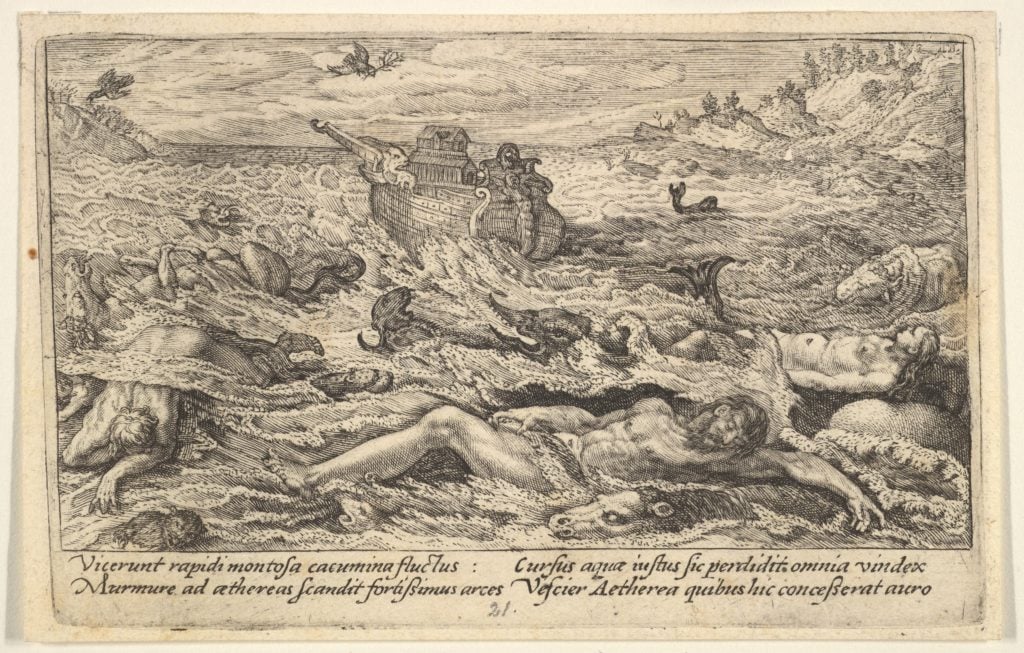
God sees that human wickedness has spread across the earth and decides to send a great flood to cleanse it. However, Noah is considered righteous, so God instructs him to enter the ark he has built, bringing his family and pairs of animals (and more of certain clean animals).
Once they are inside, God shuts the door of the ark. Rain begins to fall for 40 days and 40 nights, and water also rises from beneath the earth. The floodwaters grow so deep that they cover even the highest mountains. All living things outside the ark perish.
Only Noah, his family, and the animals with them survive, safely carried above the waters in the ark.

After the flood, all people spoke one language and settled together. They decided to build a great city with a tall tower reaching toward the heavens to make a name for themselves. God saw this and, concerned by their unity in pride, confused their language so they could no longer understand each other. As a result, they stopped building the city and were scattered across the earth.
The place was called Babel, because there God “mixed up” the languages of the world.
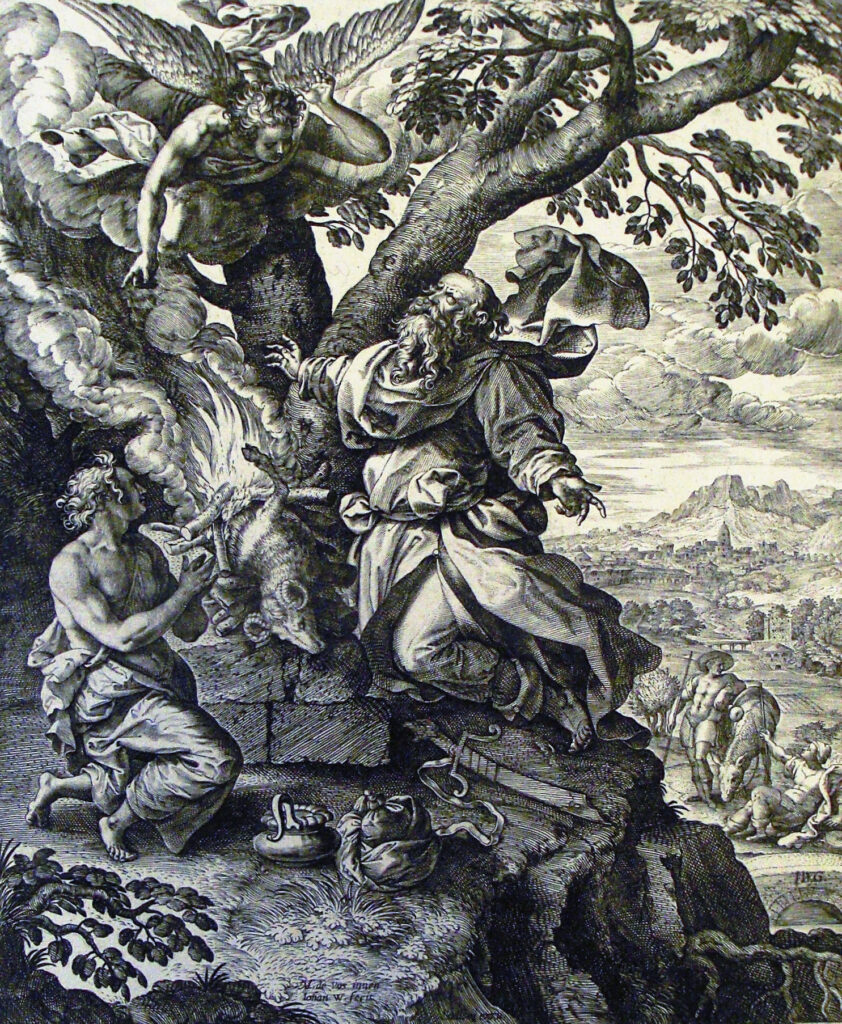
Abraham is introduced as the son of Terah and part of a family line descending from Shem. At this point, there are no major events yet—he is simply named within his genealogy, along with his brothers Nahor and Haran. This marks the beginning of his story, which later becomes central in the Bible.

God calls Abram to leave his homeland and go to a land He will show him. In return, God promises to make him into a great nation, bless him, make his name great, and bless all peoples on earth through him. This marks the beginning of a special relationship between God and Abraham.

Job is introduced in the Book of Job as a righteous and faithful man who lived in the land of Uz. Known for his integrity and devotion to God, Job is tested through intense suffering, losing his wealth, family, and health. Despite his trials, his story explores themes of faith, perseverance, and trust in God’s wisdom.
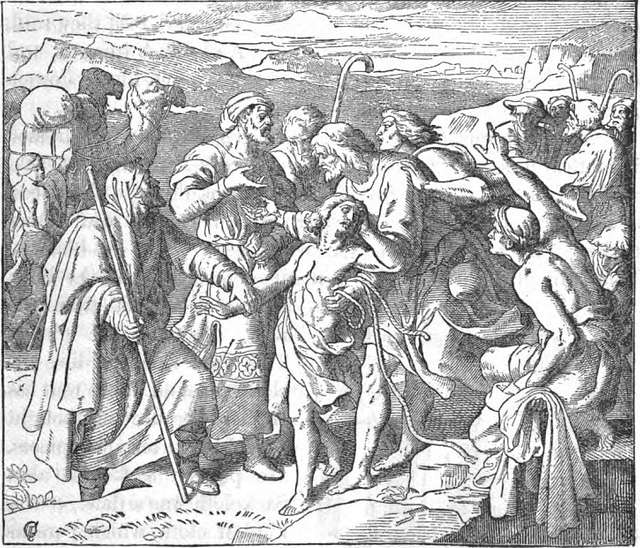

Jacob, also called Israel, moved his entire family to Egypt during a severe famine, as recorded in the Book of Genesis (Genesis 46). Reunited with his son Joseph, who had risen to power there, Jacob settled in the land of Goshen. This moment marks the beginning of Israel’s presence in Egypt and the growth of the nation that would later play a central role in biblical history.
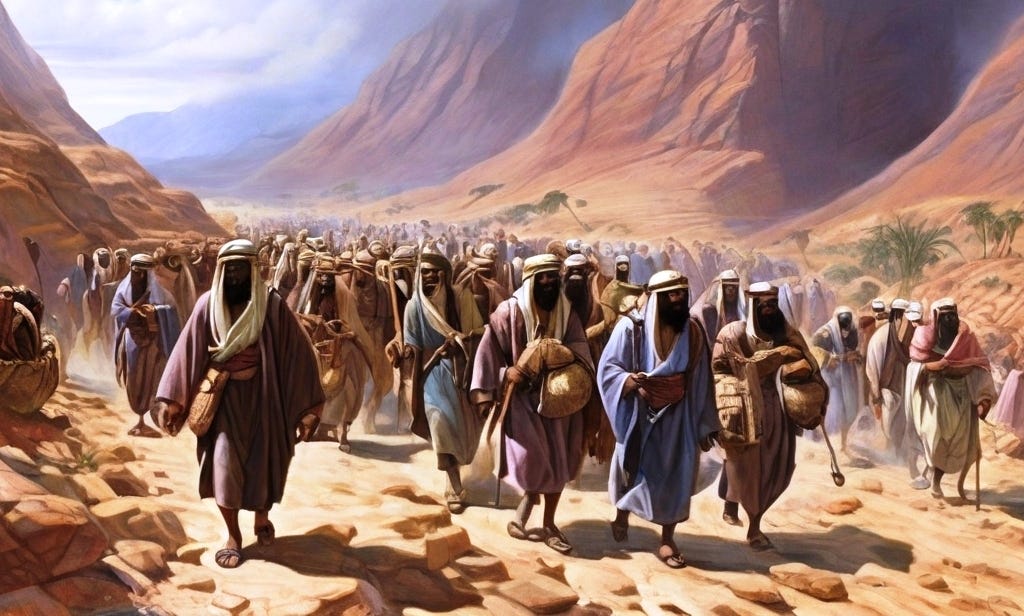
This period marks the time from when Jacob and his family settled there until God prepared to deliver them from slavery. It highlights the growth of the nation of Israel and sets the stage for the Exodus and their journey to freedom.

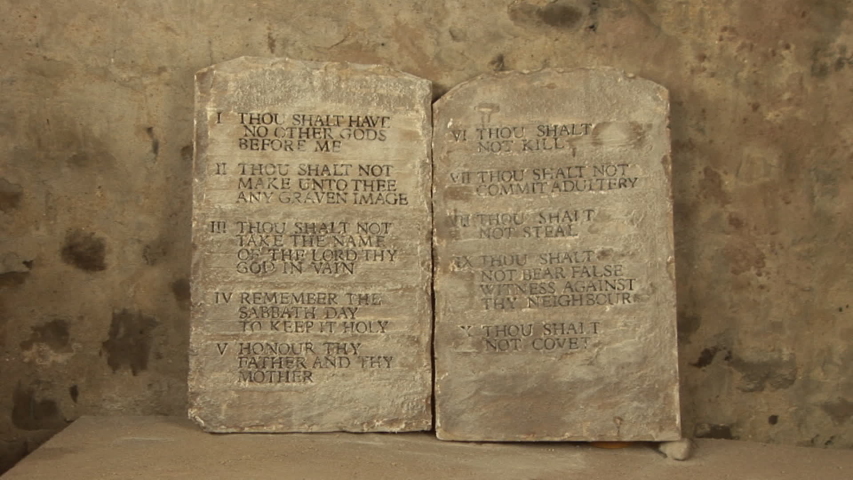
In the Book of Exodus, God delivers the Israelites from slavery in Egypt, leading them out under the guidance of Moses. They miraculously cross the Red Sea, escaping Pharaoh’s army and beginning their journey toward freedom. In Exodus 20, God establishes His covenant with them by giving the Ten Commandments on Mount Sinai, providing laws to guide them as His chosen people.